Try our newest merchandise

amzchef Espresso Machine with 20 Bar, Professional Espresso Maker with Milk Cream/Steam Stick, Compact Stainless Steel Coffee Machines, 34oz Household Detachable Water tank, Gift for Dad or Mom


Because the world’s largest espresso producer, it must be no shock that espresso performs an enormous position in Brazilian tradition. Espresso is each traditionally and culturally important, first arriving within the nation within the early 18th century and quickly changing into the nation’s main export. Brazil turned the biggest exporter on the planet again in 1840, and it’s held that title since.
Plus, Brazil takes espresso manufacturing severely. The Brazilian Espresso Trade Affiliation was launched in 1973 to make sure high quality, purity, and sustainability. The group additionally ensures that the espresso growers within the nation have entry to crucial steerage and sources, making it simpler for them to succeed.
However that doesn’t imply espresso in Brazil is all about enterprise and trade; it’s additionally a favourite drink of many locals. If you happen to’d like to search out out concerning the historical past of espresso in Brazil, some Brazilian espresso info, and extra, right here’s what it’s essential to know.
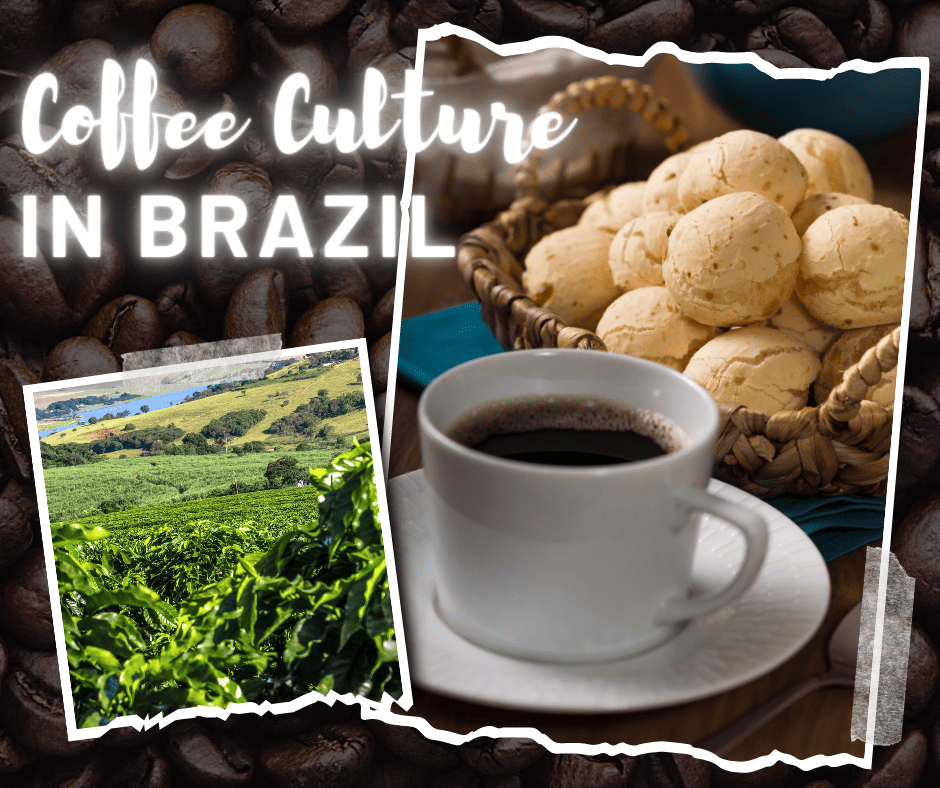
Espresso Tradition in Brazil
In Brazil, the espresso produced domestically is a serious level of pleasure. Together with being exceptionally high-quality – that includes primarily Arabica beans – the trade performs an enormous financial position. It employs hundreds of thousands of individuals, so Brazilians worth not simply espresso however the sector as a complete.
Whereas Brazilians are adventurous relating to meals and lots of drinks, the native espresso tradition is a bit purist. They respect what well-grown beans can do on their very own, so that they classically drink their espresso black or with sugar and a little bit of milk. That permits them to benefit from the nutty, chocolatey taste with out interference.
Espresso can also be a social drink in Brazil. It’s not unusual for folks to sit down down for a full of life chat whereas having some espresso, so be happy to interact together with your nearest and dearest or get to know an area whilst you take pleasure in your tasty beverage.
Well-liked Espresso Drinks in Brazil
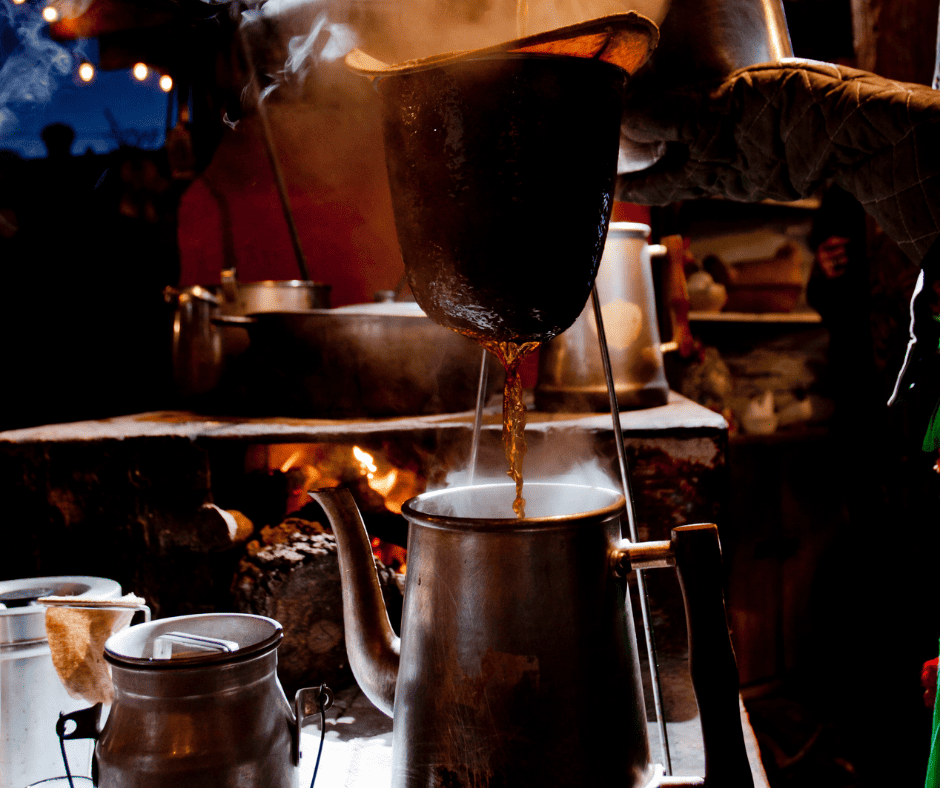
If you happen to’re searching for a conventional espresso drink in Brazil, you’ll need cafezinho. It’s a small cup of filtered espresso served piping scorching, and it normally has some sugar to offset any bitterness. Whereas it could sound like a sweetened espresso, it’s not the identical factor.
Cafezinho is by far essentially the most broadly ordered espresso drink in Brazil. Nonetheless, that doesn’t imply you gained’t discover different choices. Many locals take pleasure in black, filtered espresso or might add a splash of milk and slightly sugar to a traditional filtered cup of joe. One common possibility is a café com leite, much like a café au lait.
How one can Make Conventional Brazilian Espresso
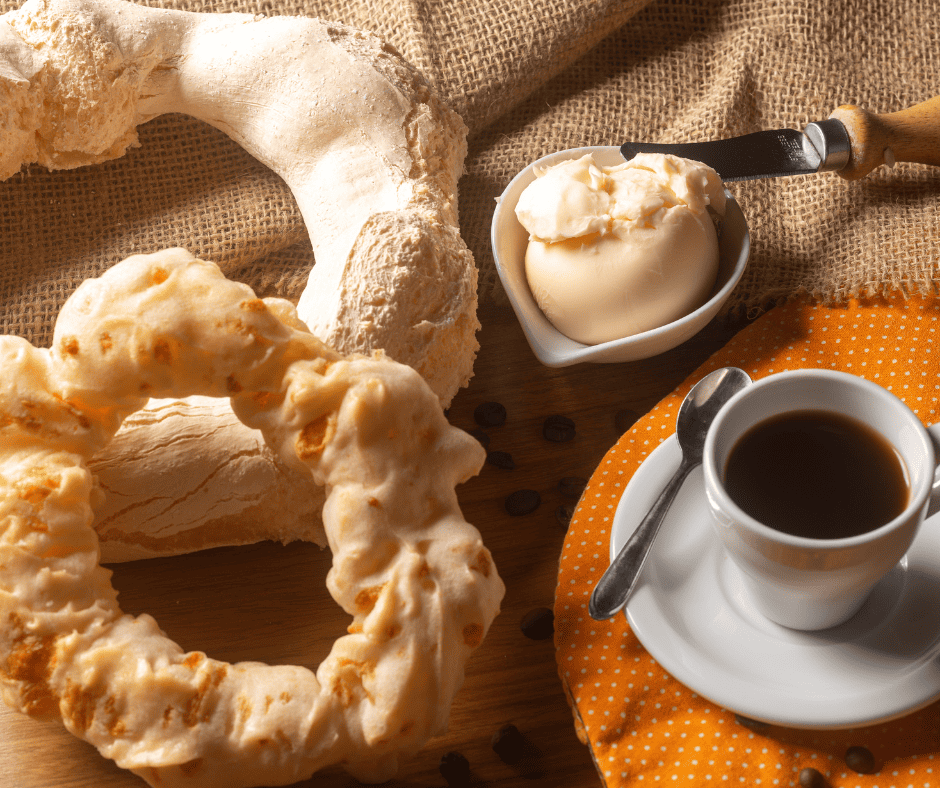
Many individuals wish to take pleasure in Brazilian espresso at house. Luckily, it’s not notably tough to copy the expertise. One secret is discovering single-origin Brazilian espresso beans or grounds, ideally a medium or medium-dark roast. Brazilians favor wealthy, strong espresso, so one thing lighter or from one other nation might not match the real expertise.
After that, you merely have to know which Brazilian espresso drink you wish to replicate. For most individuals, meaning recreating a traditional cafezinho.
The method is easy in case you’re attempting to determine the best way to make a conventional cafezinho. A cafezinho recipe options simply three fundamental components: fine-ground espresso, scorching water, and sugar.
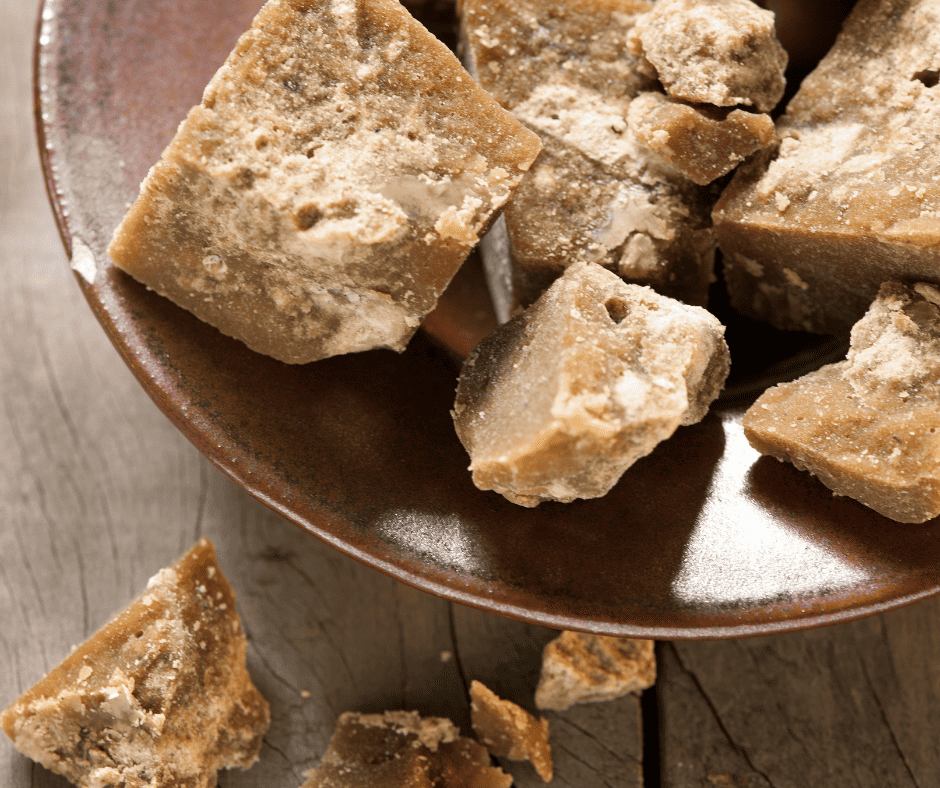
In Brazil, they usually use rapadura, an unrefined brown sugar with fairly a little bit of molasses. You will discover it on-line, permitting you to copy the genuine expertise. Nonetheless, in case you can’t get real rapadura, one other brown sugar like demera may supply one thing related, so maintain that in thoughts.
Typically, you’ll need 4 cups of scorching water, 1/3 cup of Brazilian floor espresso, and some teaspoons of granulated sugar. Use a pour-offer espresso maker, put in a filter, put the sugar within the filter, and add the espresso grounds. Pour the water over the finely floor espresso, making certain full saturation. Then, anticipate it to brew. As soon as it’s prepared, pour some in a small cup and revel in!
Including milk is an possibility when making cafezinho, although it’s normally heated earlier than it’s added. You’ll be able to steam or scald it, relying in your private choice.
In any other case, if you wish to take pleasure in Brazilian espresso with out making cafezinho, remove the sugar from the recipe above. Most Brazilians favor traditional filtered espresso, so going with a pour-over preparation can allow you to do the identical at house. Then, you’ll be able to add milk or sugar or take pleasure in it black.
How one can Order Espresso in Brazil
If you wish to order espresso the normal Brazilian manner, you’re in luck. The method is just about what you’d count on at a café, bakery, or different coffee-serving institution. The largest factor to recollect is that Portuguese is the official language in Brazil, so the names of the choices are normally in Portuguese.
For the traditional Brazilian espresso expertise, ask for a cafezinho. For a drink much like café au lait, ask for a café com leite. Café con Chantilly will get you an espresso shot with some whipped cream on prime, whereas a café pingado is primarily scorching milk with only a sprint of filtered espresso added into the combo.
While you wish to order a espresso drink like a latte, go together with a café media. That possibility is espresso and steamed milk, so it’s the perfect guess for a match.
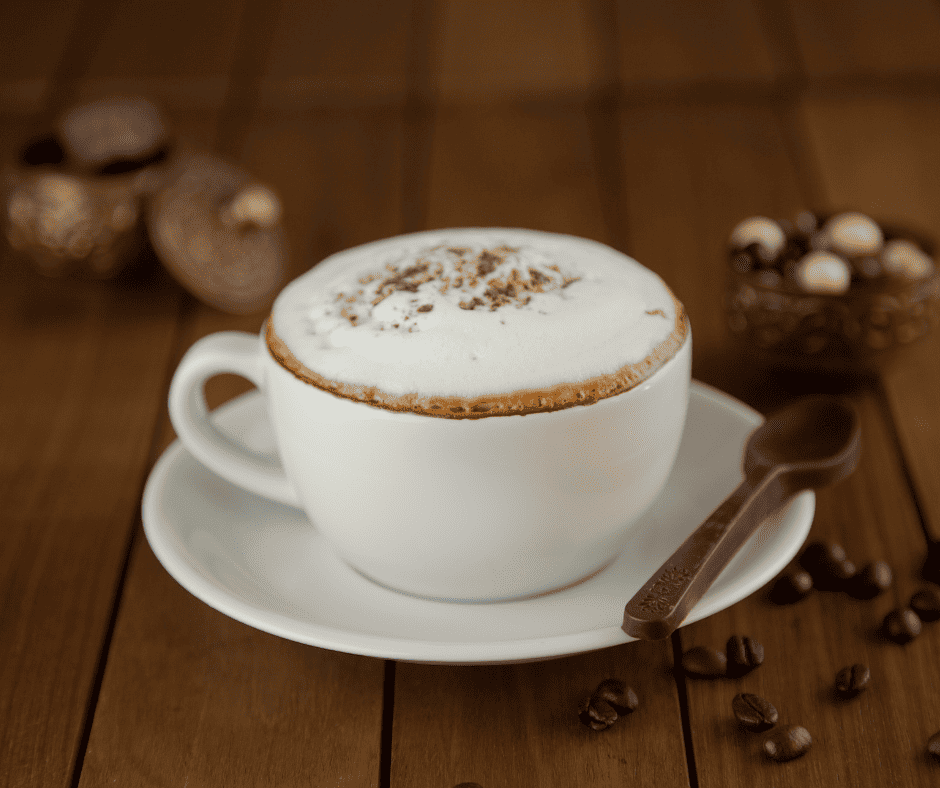
For individuals who like chocolate, a cappuccino is doubtlessly your greatest guess. Whereas cappuccinos don’t historically comprise chocolate in different elements of the world, they normally do in Brazil. Nonetheless, it’s not a foul concept to ask for a cappuccino sem chocolate when ordering to make sure you get that mocha-like expertise.
Lastly, in case you’re searching for a decaf possibility, be sure that to order your espresso descafeinado. Simply remember that ordering decaf isn’t widespread in Brazil, so there’s an opportunity it isn’t obtainable in some smaller cafés.
Espresso Ordering Errors in Brazil
Typically, the largest mistake an individual could make when ordering espresso in Brazil is sticking with flavored espresso drinks you see at many chain cafés the world over. Whereas you may get a flavored latte or macchiato, notably at cafés in giant cities catering to vacationers, it means lacking out on the normal expertise. Plus, ordering one doubtlessly identifies you as a non-local, which isn’t all the time ultimate.
One other potential misstep is searching for a Brazilian iced espresso. That doesn’t imply it’s unattainable to search out; it’s simply not how Brazilians usually drink their espresso. Because of this, it could result in some humorous seems to be in case you ask for iced Brazilian espresso, particularly outdoors of enormous chain cafés.
Brazil Espresso Trade
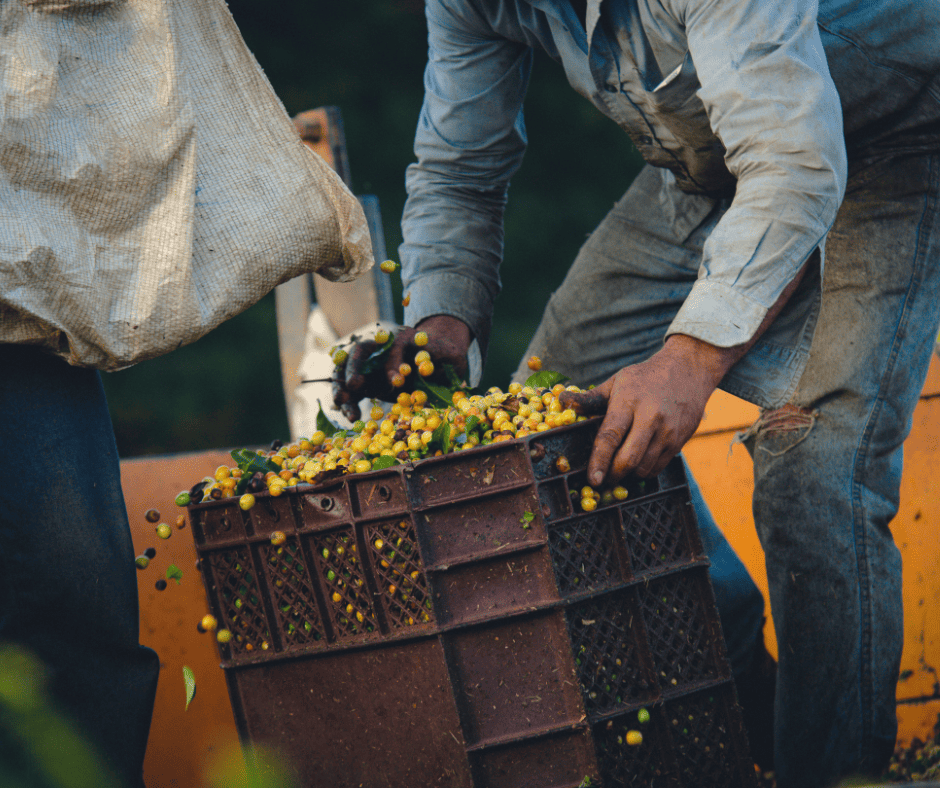
The Brazilian espresso trade is a well-oiled machine, permitting it to provide giant portions of espresso effectively whereas sustaining high quality. Whereas handpicking the espresso cherries was as soon as the norm, many espresso plantations have shifted to mechanical strategies to hurry up the method. Nonetheless, many use refined equipment that may depart unripe espresso cherries in place and solely take away the ripe ones, making certain the standard stays excessive.
When getting ready beans for export, high quality additionally stays a prime precedence. Usually, the highest-quality yields don’t keep in Brazil. As an alternative, they’re packaged up and despatched all around the globe. Nonetheless, even the lower-quality beans that stay within the space are glorious, so maintain that in thoughts in case you’re searching for some espresso whereas visiting Brazil.
The place Is Espresso Grown in Brazil?
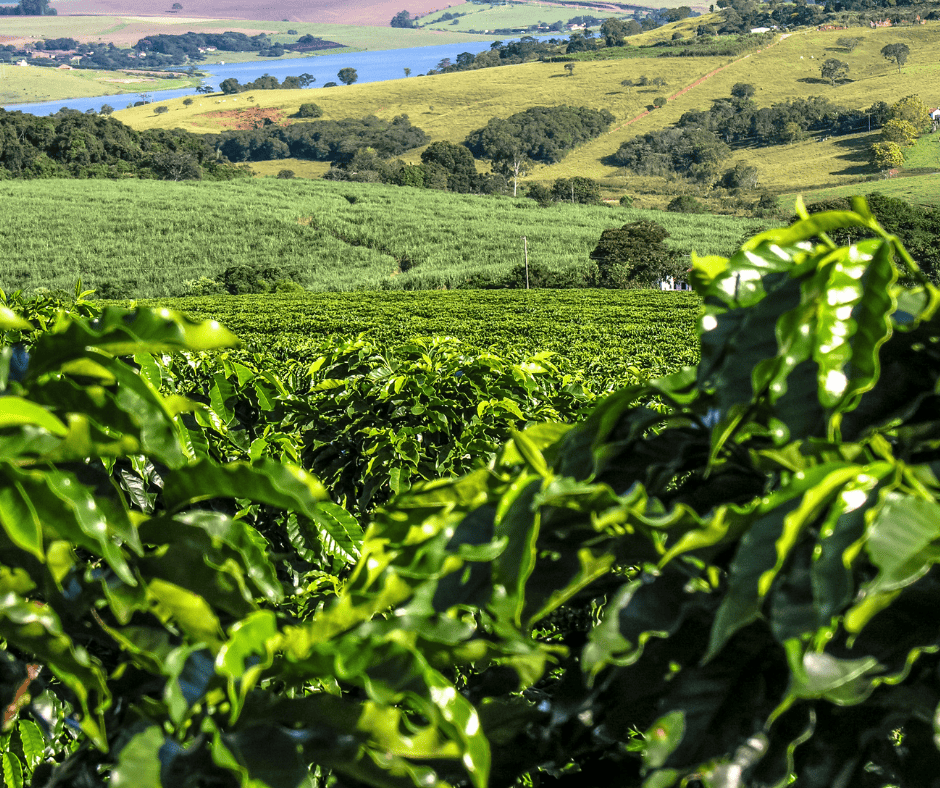
Brazil espresso farms are widespread in practically each a part of the nation. Nonetheless, six Brazilian espresso areas have essentially the most acreage devoted to rising espresso and getting ready Brazilian inexperienced espresso beans for roasting.
The most important coffee-growing area in Brazil is Minas Gerais. Saying that espresso plantations there are quite a few is an understatement, as this one area is liable for about half of the nation’s espresso bean manufacturing.
Whereas the opposite 5 main rising areas are smaller, they nonetheless contribute to the trade in a major manner. These areas embrace Espírito Santo, São Paulo, Bahia, Rondônia, and Paraná.
Each espresso area in Brazil produces beans with completely different taste profiles. Minas Gerais espresso beans are normally barely fruity or citrusy, have a medium-to-full physique, and embrace notes of chocolate, nuts, and caramel. In distinction, beans from São Paulo or Bahia are normally well-balanced and barely candy with low acidity.
Greatest Espresso from Brazil
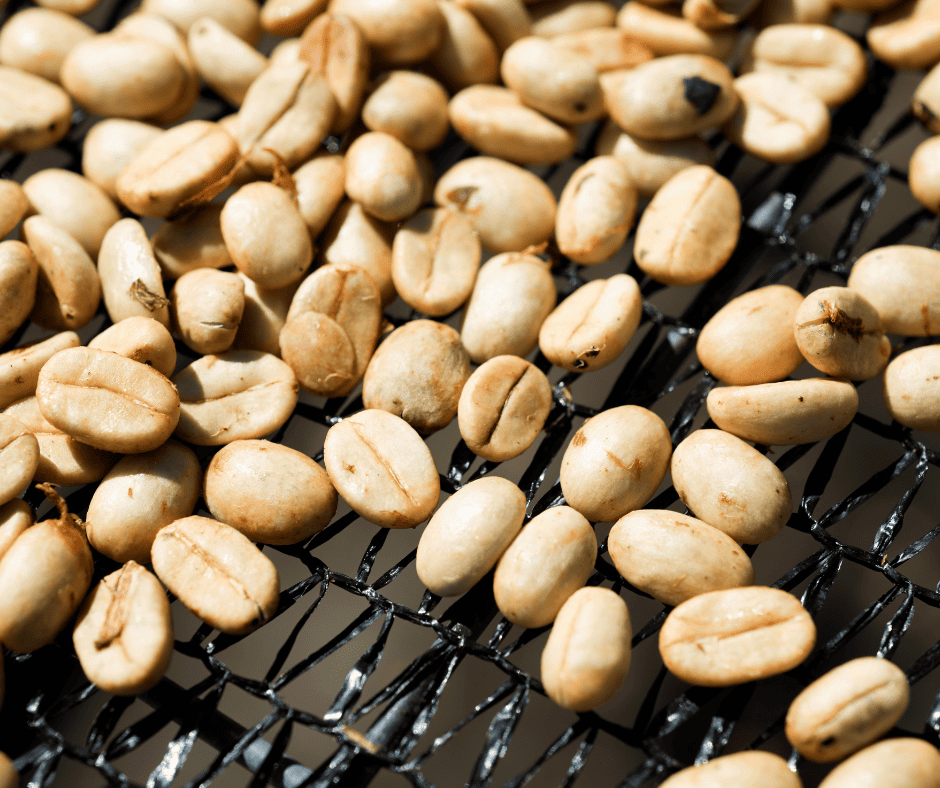
Brazilian espresso beans are a serious export for the nation, so many espresso roasters and producers can simply get the actual factor. Because of this, a number of the greatest espresso from Brazil can come from a model based mostly in one other nation.
The Pilao Espresso Conventional Roast presents a traditional style of dark-roasted Brazilian espresso with a conventional taste profile. This famend espresso has maintained its reputation as a cherished Brazilian custom for over two centuries, beginning in 1753.
Peet’s Espresso Single-Origin Brazil is a strong option to discover Brazilian espresso. It’s a low-acidity possibility that’s full-bodied and easy, that includes solely Arabica beans. There’s additionally a slight sweetness and notes of fruit and hazelnut.

Contemporary Roasted Espresso’s Darkish Brazil Cerrado is a medium-dark possibility that’s very daring and wealthy. You’ll get notes of walnut, fruit, and chocolate.
Journey with us as we discover espresso tradition in Cuba and Turkey.

1 Pack Glass Cup, 16oz Drinking Glass with Bamboo Lid and Straw, Beer Glass Tumbler for Mojito Soda Smoothies Whiskey Iced Coffee Cocktail Tea Juice

10 oz Tumbler with Handle and 2 Straw 2 Lid, Insulated Water Bottle Stainless Steel Vacuum Cup Reusable Travel Mug, Mint